


How Can Lipoma Treatment in Dubai Improve Your Comfort?
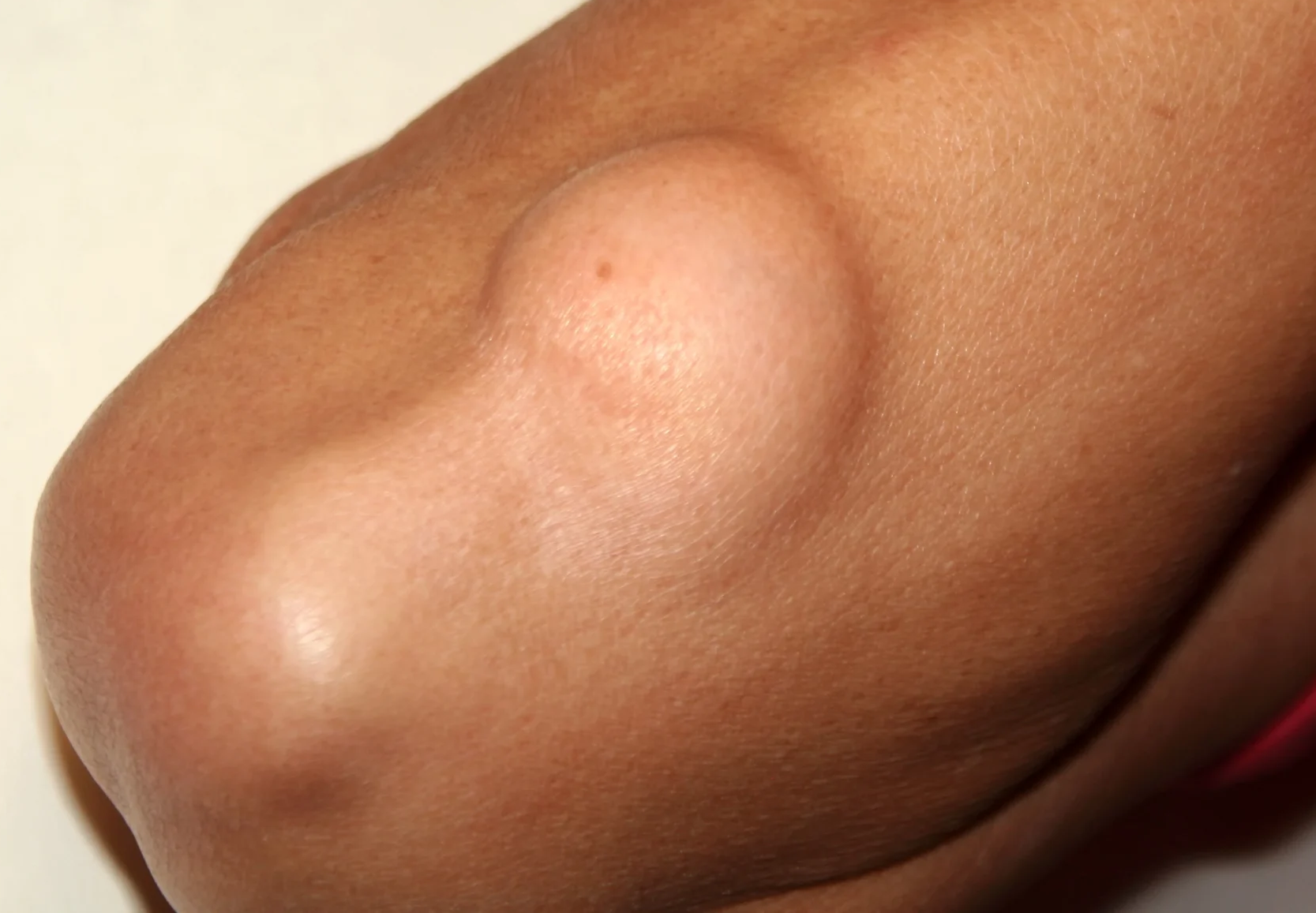
Lipomas are soft, usually slow-growing lumps of fatty tissue that develop beneath the skin. Although they are generally benign, they can sometimes cause physical discomfort, restrict movement, or become a source of concern because of their size or location. Lipomas may appear on the neck, shoulders, back, arms, thighs, or other parts of the body, and their impact on everyday life varies from person to person.
For some individuals, a lipoma causes little more than a visible bump. For others, it may rub against clothing, create pressure when sitting or lying down, or interfere with certain activities. A lump in a noticeable area can also affect confidence, particularly when it becomes more prominent over time.
Seeking professional advice can help determine whether treatment is appropriate. Lipoma Treatment in Dubai offers access to medical consultations and surgical assessment, allowing patients to explore suitable options based on the lump's size, location, symptoms, and characteristics. Depending on the clinical findings, treatment may involve surgical removal, with the aim of relieving discomfort and addressing the affected area.
Dubai has a diverse healthcare sector, including dermatology, cosmetic surgery, and general surgical services. Clinics such as Dynamic Life Clinic, Tajmeels Clinic, Enfield Royal Clinic, thelipolab.com, and Medical Village may be considered when researching available services, although their specific offerings and suitability should be confirmed directly.
Understanding how treatment works, what recovery involves, and how to choose a qualified provider can make the decision easier. The right approach prioritises accurate diagnosis, patient safety, realistic expectations, and lasting comfort rather than simply removing a visible lump.
How Lipoma Removal Can Improve Everyday Comfort
Reducing Pressure and Physical Irritation
A lipoma located beneath a waistband, bra strap, shoulder area, or another frequently compressed part of the body may become uncomfortable during daily activities. Repeated friction or pressure can make the lump more noticeable and irritating.
When a healthcare professional confirms that the lump is a lipoma and recommends removal, treatment may reduce the pressure associated with that particular growth. The degree of relief depends on its size, depth, position, and relationship to nearby tissues.
Supporting Easier Movement
Most lipomas do not interfere with mobility. However, larger growths or those situated near joints and other movement-sensitive areas may cause discomfort when bending, stretching, or exercising.
Removing a symptomatic lipoma may help reduce this physical interference. Patients should understand that the outcome depends on the underlying cause of their symptoms and that removal does not guarantee complete relief in every case.
Improving Confidence About Appearance
Although lipomas are usually harmless, a visible lump can affect how someone feels about their appearance. This may be particularly relevant when the growth is located on the neck, arms, face, or another exposed area.
Treatment may improve the contour of the affected area, but scarring is possible after removal. A qualified clinician can discuss incision placement, expected healing, and the balance between removing the lump and achieving an acceptable cosmetic result.
Addressing Persistent Discomfort
A lump that grows, becomes painful, feels unusually firm, or appears fixed to surrounding tissues should be medically assessed rather than assumed to be a lipoma. These features do not automatically indicate a serious condition, but they may require further investigation.
A proper assessment helps establish the diagnosis and determine whether observation, imaging, biopsy, or removal is appropriate. This is an important part of achieving comfort safely.
Clinics to Consider for Lipoma Treatment in Dubai
Choosing a clinic involves more than comparing prices or promotional claims. Patients should establish whether the provider offers the appropriate medical assessment, whether a suitably qualified clinician will perform the procedure, and how follow-up care is managed.
The following providers are options to research. Their inclusion is not a ranking or an independent verification of treatment outcomes, and patients should confirm current services, practitioner credentials, and procedure availability before booking.
Medical Village
Medical Village is one option to investigate when looking for medical services in Dubai. Patients considering treatment for a fatty lump can contact the facility to determine whether it provides consultations for suspected lipomas or can refer them to an appropriate specialist.
Before proceeding, ask whether the assessment includes a review of the lump's history, physical examination, and additional investigations when indicated. It is also helpful to establish whether removal is performed on-site or arranged through another provider.
For patients seeking greater comfort, the important consideration is whether the proposed treatment addresses the actual cause of the symptoms and includes clear guidance about healing, wound care, and follow-up.
Enfield Royal Clinic
Enfield Royal Clinic is a provider patients may wish to contact when researching aesthetic and surgical services in Dubai. Anyone considering Lipoma Treatment should verify whether the clinic currently offers the relevant procedure and which qualified practitioner would assess and treat the lump.
A useful consultation should cover the size and position of the growth, possible effects on nearby structures, available removal techniques, and the likelihood of a visible scar. Patients should also ask whether the removed tissue will be submitted for histopathological examination when appropriate.
The clinic's suitability should be judged by its medical assessment process, practitioner qualifications, infection-control standards, and arrangements for post-procedure care. Clear communication about costs, risks, and recovery expectations is equally important when making an informed decision.
Dynamic Life Clinic
Dynamic Life Clinic is another provider to consider when researching medical and aesthetic care in Dubai. Patients can contact the clinic to confirm whether it assesses suspected lipomas and provides removal procedures suitable for their individual circumstances.
A comprehensive consultation should establish whether the lump is consistent with a benign lipoma or requires further investigation. The clinician should explain the proposed approach, including anaesthesia, incision placement, potential complications, and any restrictions during recovery.
For individuals experiencing irritation or pressure from a lump, the priority is to determine whether removal is likely to address the discomfort. Patients should also ask about scar management, wound reviews, and the possibility of recurrence.
thelipolab.com
Thelipolab.com is a website patients may wish to investigate when exploring services related to fatty tissue and body contouring. However, patients should not assume that a provider offering fat-related treatments also performs medical lipoma removal.
Before arranging an appointment, confirm whether the service specifically evaluates and removes lipomas, who performs the procedure, and whether the clinician is appropriately licensed for the treatment offered.
It is particularly important to distinguish a true lipoma from other types of lumps or localised fat deposits. Cosmetic contouring procedures are not a substitute for diagnosing an unexplained mass. If removal is recommended, patients should receive clear information about tissue examination, recovery, and follow-up arrangements.
Tajmeels Clinic
Tajmeels Clinic is another name to research when comparing healthcare and aesthetic providers in Dubai. Patients considering treatment for a symptomatic or visible lump should contact the clinic to confirm its current lipoma assessment and removal services.
A useful starting point is a consultation that considers the lump's location, growth pattern, tenderness, and impact on daily activities. Depending on the findings, the clinician may recommend monitoring, imaging, or surgical removal.
Patients should ask who will perform the procedure, what type of anaesthesia is anticipated, and how complications or unexpected findings would be managed. A clinic that communicates clearly about the limitations of treatment and the possibility of scarring can help patients make a more informed choice.
What to Expect During Lipoma Treatment
The treatment process depends on the characteristics of the lump and the clinician's assessment. Understanding the usual stages can help patients prepare and feel more confident about their care.
Initial Medical Assessment
The clinician reviews when the lump appeared, whether it has changed in size, and whether it causes pain or restricts movement. A physical examination helps assess its texture, mobility, depth, and location.
If the diagnosis is uncertain or the lump has concerning features, the clinician may recommend ultrasound or other investigations before deciding on treatment.
Selecting an Appropriate Removal Method
Surgical excision is a common approach for removing a lipoma. The clinician makes an incision, removes the growth, and closes the wound as appropriate. Many superficial lipomas can be removed using local anaesthesia, while deeper or more complex cases may require a different setting or anaesthetic plan.
The technique depends on the individual case. Patients should not assume that every lump can be removed through a small incision or that every procedure will produce an invisible scar.
Recovery and Aftercare
Recovery varies according to the size and depth of the lipoma, the location of the incision, and the removal technique. Mild soreness, swelling, bruising, or temporary tenderness may occur after treatment.
Patients should follow the clinician's instructions for keeping the wound clean, changing dressings, managing discomfort, and attending follow-up appointments. Strenuous exercise or movements that place tension on the wound may need to be limited temporarily.
Increasing redness, worsening pain, spreading warmth, fever, or unusual discharge should prompt medical advice because these can indicate a complication.
How to Choose the Right Clinic for Lipoma Treatment
Selecting a suitable provider can influence the safety of the procedure, the recovery experience, and the likelihood of addressing the original discomfort. Rather than relying solely on advertising or price, consider the following factors.
Experience and Qualifications
Confirm that the practitioner is licensed by the relevant Dubai health authority and has appropriate training and experience in assessing and removing subcutaneous lumps.
Ask about experience with lipomas of similar size and location. A lump close to nerves, blood vessels, or other important structures may require specialist expertise beyond that needed for a small, superficial growth.
Technology and Techniques
The removal method should be selected according to the clinical findings rather than marketing claims. Ultrasound may be useful when the depth or nature of a lump is unclear, while other investigations may be needed in selected cases.
Ask the clinician to explain why a particular technique is appropriate and whether the removed tissue will be examined. Avoid assuming that a minimally invasive approach is always preferable if it does not provide suitable treatment or diagnostic certainty.
Safety Standards
A reputable medical setting should follow appropriate infection-prevention procedures, use suitable sterile equipment, and have clear protocols for managing complications.
Patients should understand the potential risks, including bleeding, infection, scarring, fluid collection, changes in sensation, and recurrence. The likelihood of these complications depends on the procedure and individual circumstances.
Consultation Process
A good consultation should allow time for questions and provide a clear explanation of the diagnosis, treatment options, costs, and recovery plan.
Be cautious if a clinic recommends immediate cosmetic removal without adequately assessing an unexplained lump. The priority should be confirming what the growth is and whether intervention is medically appropriate.
Patient Experience and Follow-Up
Practical details can make a meaningful difference to the overall experience. Consider appointment availability, communication with the clinical team, access to postoperative advice, and arrangements for wound checks.
Reviews may provide insight into administrative experiences, but they should not replace verification of medical qualifications or clinical standards. Ask how the clinic handles unexpected findings and whom to contact if symptoms develop after the procedure.
Realistic Expectations
Removal may relieve pressure, irritation, or movement-related discomfort when these symptoms are caused by the lipoma. It may also improve the appearance of the area.
However, results vary. A scar may remain, some symptoms may have another cause, and a lipoma can occasionally recur. A trustworthy clinician explains these limitations before treatment rather than promising a perfect result.
Frequently Asked Questions
Can lipoma treatment improve pain or discomfort?
Yes, removal may reduce discomfort when a lipoma is responsible for pressure, tenderness, friction, or restricted movement. However, not every lipoma causes symptoms, and pain may have another underlying cause. A medical assessment helps determine whether removal is likely to provide relief.
Is lipoma removal in Dubai usually performed under local anaesthesia?
Many small, superficial lipomas can be removed under local anaesthesia, which numbs the treatment area while the patient remains awake. Larger, deeper, or more complex growths may require a different anaesthetic approach or surgical setting. The clinician will recommend the appropriate option after assessment.
How long does recovery take after lipoma removal?
Recovery depends on the lump's size, location, and removal technique. Some patients return to light daily activities relatively quickly, while wound healing and the return to strenuous exercise may take longer. Follow the treating clinician's instructions and attend any recommended follow-up appointments.
Can a lipoma come back after removal?
A completely removed lipoma is generally unlikely to recur at the same site, although recurrence can occur, particularly if some of the growth remains. New lipomas may also develop elsewhere. Report any new or changing lump to a healthcare professional for assessment.
How do I know whether a lump needs lipoma treatment?
A soft, movable lump that grows slowly may be consistent with a lipoma, but appearance alone cannot confirm the diagnosis. Arrange a medical assessment for a new or changing lump, especially if it grows rapidly, becomes painful, feels firm or fixed, or appears deep beneath the skin. The clinician can determine whether monitoring, imaging, or removal is appropriate.
Conclusion
Living with a lipoma can be uncomfortable when the growth causes pressure, rubs against clothing, affects movement, or creates concerns about appearance. Appropriate assessment and removal may help address these problems, but the best approach depends on the nature and location of the lump.
When exploring Lipoma Treatment in Dubai, focus on accurate diagnosis, practitioner qualifications, appropriate surgical techniques, safety standards, and reliable aftercare. Dynamic Life Clinic, Tajmeels Clinic, Enfield Royal Clinic, thelipolab.com, and Medical Village are potential starting points for research, but their current services and suitability should be verified directly.
Ultimately, the goal is not simply to remove a lump. It is to make an informed medical decision that addresses your symptoms, protects your health, and sets realistic expectations for recovery and comfort.


Comments