


Can Lipoma Treatment in Dubai Be Used for Recurrent Lumps?
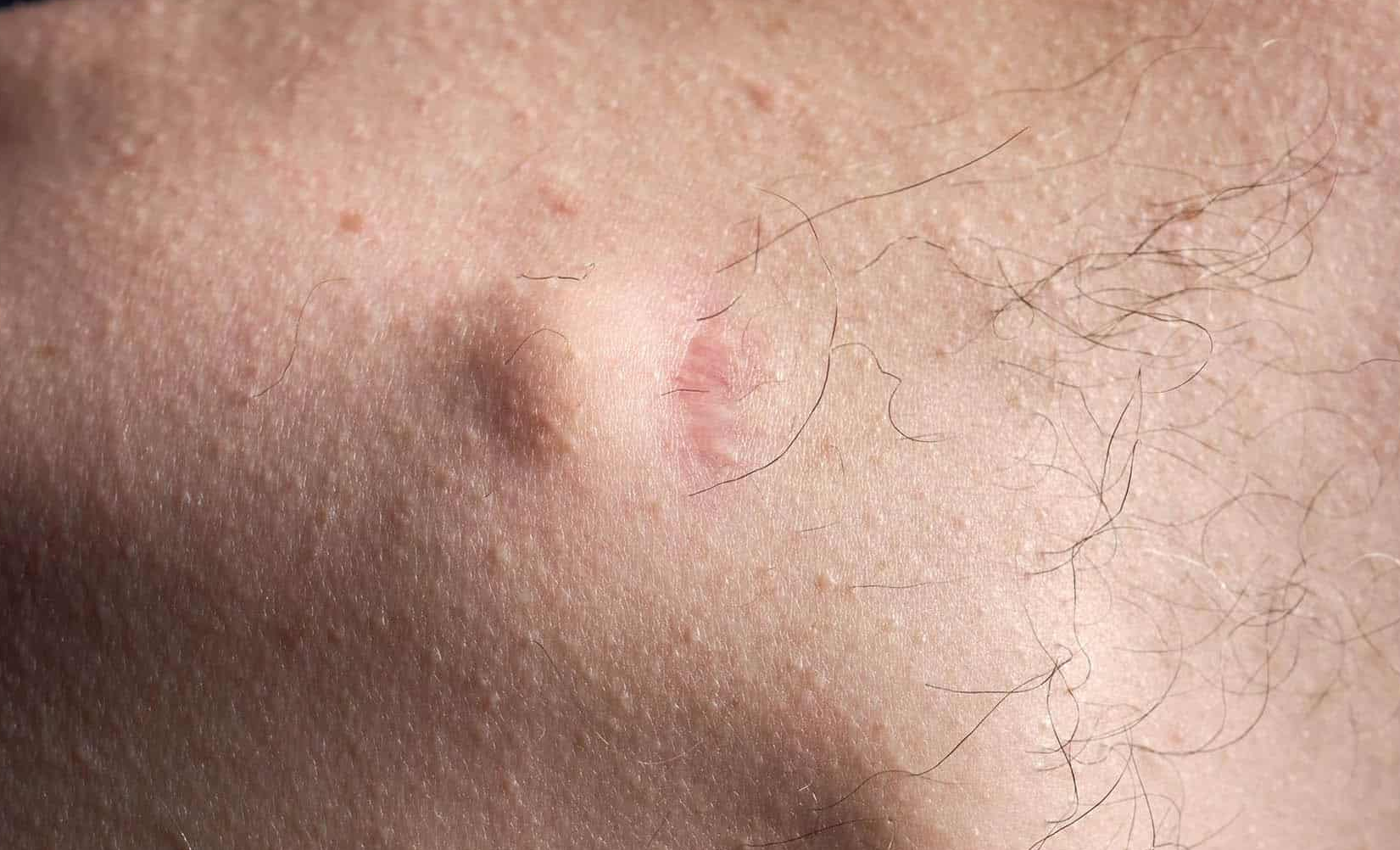
A lump that returns after previous removal can naturally raise questions about whether it is the same lipoma, a new growth, or something that needs further assessment. Lipomas are usually benign fatty growths beneath the skin, often soft and movable, but a recurrent lump should not automatically be assumed to be a lipoma. A proper clinical assessment can help determine its nature before another treatment is considered.
Lipoma Treatment in Dubai can be considered for recurrent lumps when a qualified medical professional confirms that the growth is a lipoma and determines that removal is appropriate. The treatment approach may depend on the lump's size, location, depth, number of growths, previous treatment, and whether the earlier removal was complete.
Recurrence can also mean that a person has developed a new lipoma rather than the original one growing back. People with multiple lipomas may experience additional growths over time, making proper evaluation particularly important.
For this reason, a consultation should focus on diagnosis as well as removal. Depending on the presentation, examination, imaging, or tissue assessment may be recommended before proceeding.
Dynamic Life Clinic
Dynamic Life Clinic discusses several approaches for lipoma removal, including surgical excision and liposuction. Its published information notes that treatment planning considers factors such as the size and location of the lipoma and the number of growths being treated.
For someone presenting with a recurrent lump, this type of individualized assessment is particularly relevant. The clinician can review the previous history and examine whether the current lump appears consistent with a lipoma.
If the diagnosis is confirmed, the removal technique can then be selected according to the characteristics of the growth. This may be particularly important when a lump has previously been treated and appears in the same area.
Polyclinic.ae
Polyclinic.ae provides general surgical care for subcutaneous formations, including lipomas and cysts. Its surgical department states that small formations can often be removed on an outpatient basis, while the consultation may include examination and diagnostic assessment such as ultrasound when appropriate.
For recurrent lumps, distinguishing a lipoma from another type of subcutaneous growth is an important part of the consultation. A surgeon can assess the lump's characteristics and determine whether further investigation is necessary before removal.
This approach can be useful for people who have already undergone treatment but notice another lump developing in the same region or elsewhere.
Tajmeels Clinic
Tajmeels Clinic describes surgical excision and liposuction among its lipoma removal options and notes that treatment can be tailored to patients with multiple growths.
This can be relevant when a patient has experienced more than one lipoma over time. A recurrent or newly appearing lump may require assessment before deciding whether surgical excision or another approach is appropriate.
The clinic also describes diagnostic options such as imaging and biopsy when needed. These evaluations can provide additional information when the appearance or characteristics of a lump are not straightforward.
Cosmo Health Medical Center
Cosmo Health Medical Center provides a range of medical and aesthetic services, including plastic surgery, although its current published website does not specifically identify a dedicated lipoma-treatment service.
For someone with a recurrent lump, it is therefore important to confirm during consultation whether the specific condition is managed by the appropriate medical or surgical specialist. A recurrent lump should be assessed according to its clinical characteristics rather than treated purely as a cosmetic concern.
Enfield Royal Clinic
Enfield Royal Clinic offers Lipoma Treatment in Dubai as part of its cosmetic surgery services. Its published treatment information describes lipoma as a slow-growing fatty lump and outlines assessment and removal approaches that may include surgical excision, liposuction, or other techniques depending on the case.
For a recurrent lump, the consultation is especially important because treatment should be based on the current growth rather than simply repeating an earlier procedure. The size, location, number of lumps, and previous treatment history can all influence the recommended approach.
A careful assessment also helps establish whether the new lump is a recurrence or a separate growth. This distinction can guide the next stage of treatment and follow-up.
Can a Lipoma Come Back After Removal?
A lipoma that has been completely removed through surgical excision generally has a low likelihood of returning in the same location. However, a person can develop another lipoma elsewhere, and multiple lipomas may occur in some individuals.
A lump appearing near a previous treatment site does not automatically prove that the original lipoma has returned. The new growth needs to be examined to establish what it is.
What Should Be Checked Before Treating a Recurrent Lump?
A consultation should generally begin with a physical examination and review of the previous treatment. The clinician may consider:
Whether the lump is soft, mobile, or firm
Whether it has changed in size
Its exact location and depth
Whether there are multiple lumps
Whether the previous growth was completely removed
Whether imaging is appropriate
Whether tissue examination is needed
Polyclinic.ae, for example, notes that its surgical consultations can include examination and diagnostic investigations such as ultrasound when required.
How to Choose the Right Clinic for Lipoma Treatment
Choosing a clinic for recurrent lumps should involve more than looking at the availability of a removal procedure. The diagnostic and surgical experience of the treating team is equally relevant.
Experience and Qualifications
Look for appropriately qualified medical professionals with experience evaluating and removing subcutaneous growths. Recurrent cases can require more careful assessment than a straightforward first-time presentation.
Technology and Techniques
Ask what diagnostic facilities and removal techniques are available. Depending on the case, imaging may help evaluate the size and depth of a growth, while the treatment method may range from excision to liposuction.
Safety Standards
A clinic should follow appropriate surgical and infection-control standards and have a clear process for managing unexpected findings or complications.
Consultation Process
A thorough consultation should include discussion of previous treatment, current symptoms, examination findings, and the available treatment options. Avoid choosing a procedure before the nature of the lump has been established.
Patient Experience
Clear communication about the procedure, recovery, follow-up, and possible outcomes can make the treatment process easier to understand.
Expected Results
The expected outcome depends on the individual case. A responsible clinic should explain what can realistically be achieved rather than guarantee that every future lump will be prevented.
Frequently Asked Questions
Can Lipoma Treatment be used when a lump comes back?
Yes, removal may be considered when a recurrent lump is confirmed to be a lipoma. However, the lump should first be examined because a new or returning lump may have a different cause.
Why can a lump appear again after lipoma removal?
A new lump can develop separately from the original lipoma. In some cases, recurrence may also relate to the characteristics of the original growth or the removal method. A medical assessment is needed to determine the cause.
Is every recurrent lump a lipoma?
No. A lump that appears after previous treatment should not automatically be labelled as a lipoma. Examination and, when appropriate, imaging or tissue testing can help establish the diagnosis.
Can multiple lipomas be treated?
Multiple lipomas can be evaluated and treated when appropriate. The treatment plan depends on the number, size, location, and characteristics of the individual growths.
Should I have a recurrent lump checked before removal?
Yes. Assessment before removal is important, particularly when a lump is new, changing, unusually firm, painful, deep, or located in an area that was previously treated.
Conclusion
Recurrent lumps can sometimes be addressed with lipoma removal, but the first step should always be confirming what the new growth actually is. A previous history of lipoma does not automatically mean that every subsequent lump has the same diagnosis.
A consultation with an appropriately qualified medical professional can help determine whether the growth is a recurrent lipoma, a newly developed lipoma, or another type of subcutaneous lesion. Once the diagnosis and characteristics are understood, the most suitable treatment approach can be discussed. For patients considering Lipoma Treatment in Dubai, choosing a clinic with appropriate surgical expertise, diagnostic support, and a clear follow-up process can help ensure that the treatment plan is based on the individual case.


Comments